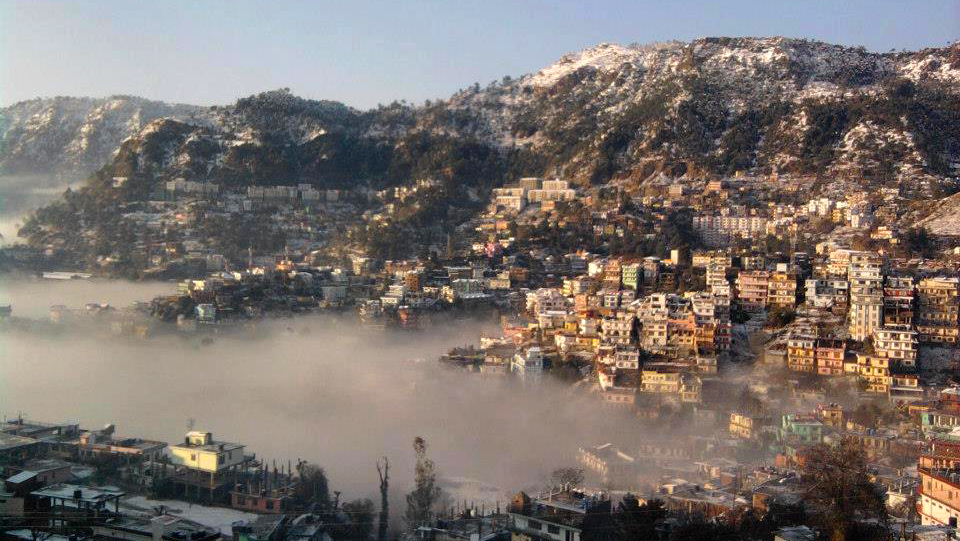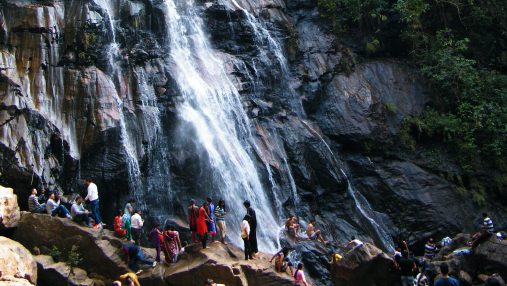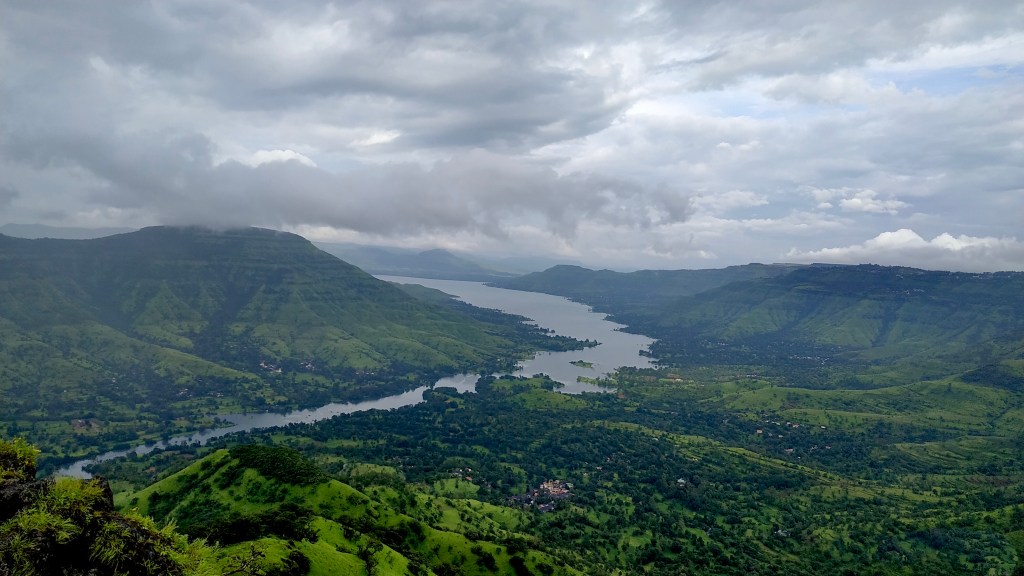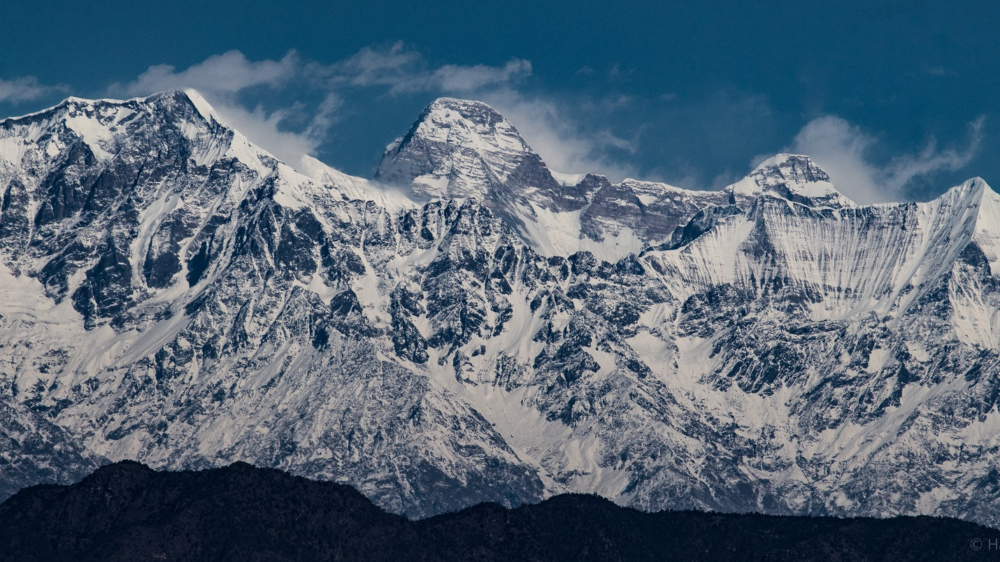
Welcome to Ranikhet — the serene hill station in Uttarakhand that offers nature, history, tranquillity and plenty of things to do for travellers. Nestled at about 1,869 m (6,132 ft) above sea level, it’s surrounded by pine and deodar forests and offers panoramic views of the Himalayas.

In this detailed guide you’ll find everything from best time to visit, how to reach, where to stay, major experiences, suggested itineraries, budget breakdowns, local transport, food, safety, packing tips and responsible-travel advice — all anchored on verified facts and official sources where available.
Quick Snapshot
| Category | Snapshot |
|---|---|
| Best time to visit | March–June & September–November (pleasant weather) |
| How to reach | Nearest airport: Pantnagar (≈ 112 km) Nearest major railway: Kathgodam (≈ 75-80 km) |
| Must-do | Explore the orchards at Chaubatia Gardens, visit temples like Jhula Devi Temple, stroll around the cantonment town, golf at one of India’s high-altitude courses. |
| Budget range (mid-range travellers) | Moderate hill-station stay, local taxis/shared jeeps, simple meals – plenty of options. |
| Safety | Pleasant climate most of year; avoid heavy monsoon (July–August) due to rainfall/landslide risk. |
Why visit Ranikhet?
Ranikhet means “Queen’s Meadow”, rooted in a local legend where a queen chose to live here, giving the place its poetic name.
It offers a unique mix:
- Peaceful hill-station charm away from heavy crowds
- Dense pine/oak/deodar forests, framed by Himalayan views
- British-cantonment legacy and military heritage (headquarters of the Kumaon Regiment)
- Fruit orchards (apples, apricots, peaches) at Chaubatia and around.
- Activities such as nature walks, temple visits, light trekking, birdwatching, and a top-level golf course.
In short: for travellers aged 20–45 who seek a budget-to-mid-range hill destination in India combining nature, activity and culture, Ranikhet ticks many boxes.
When to go
Seasonal breakdown
- Spring/Summer (March–June): Pleasant temperatures, ideal for sightseeing and exploring outdoors. According to official tourism, temps from ~15 °C to 25 °C in this period.
- Monsoon (July–August): Rainfall heavy; lush greenery but risk of landslides. Not ideal for travel if you want uninterrupted exploration.
- Autumn/Early Winter (September–November): Clear skies, crisp air, excellent for mountain views.
- Winter (December–February): Very cold, occasional snowfall. Good for snow-lovers but travel/logistics may be tougher.
Temperature approximations
- Elevation about 1,869 m (6,132 ft) above sea level.
- For example: summer range ~10-27 °C according to one source.
- Winter nights may drop to near 0 °C.
How to reach
By Air
The closest airport is Pantnagar Airport (approx 112 km away) from Ranikhet.From the airport you will need a taxi/shared vehicle to the hill station (approx 3 hour drive depending on road).
By Train
The nearest major railway station is Kathgodam Railway Station (around 75–80 km from Ranikhet). From Kathgodam one can hire a taxi or take bus/shared jeep to reach Ranikhet.
By Road
Ranikhet is well connected by road to places like Delhi, Nainital and Almora. Example: The distance from Delhi is ~350–380 km depending on route.
Shared jeeps and state buses run from nearby towns (check local schedules).
Tip: If you travel by car, allow extra time for winding mountain roads and possible traffic/landslide delays during monsoon.
Where to stay
Ranikhet offers accommodation across price bands. Here are suggestions:
- Budget stays: Guest-houses, hill-hostel style lodges, smaller hotels in the town area.
- Mid-range stays: Comfortable resorts or boutique hotels with views of the hills and forests.
- Premium stays: Hill-resorts or heritage properties with best views, spa facilities etc.
Recommended districts/areas: The main town of Ranikhet in Almora district; ridges like Chaubatia offer scenic outskirts. According to tourism site: area spreads over ~21.76 sq km.
Tip: For best experience, choose a hotel with a view of the Himalayan peaks and forested surroundings, book ahead during peak season.
Top attractions & experiences
Here are some of the must-do experiences in Ranikhet. Each sub-heading gives the attraction with a fact and context.
Jhula Devi Temple
Located about 7 km from Ranikhet, this ancient temple is dedicated to Goddess Durga and is known for the numerous brass bells tied by devotees as a sign of fulfilled wishes.

Chaubatia Gardens (Orchards)
Situated ~10 km from Ranikhet town, Chaubatia is famous for its apple, apricot, peach and plum orchards. Offers panoramic Himalayan views including peaks like Nanda Devi and Trishul.
Bhalu Dam
A peaceful artificial lake built during British era (around 1903), surrounded by forest. Good for picnics, nature walks and bird-watching.

Upat Golf Course & Kalika Temple
Upat is about 9 km on the Almora road; the golf course here is among the highest in the region and well-maintained by the Army. Next to it is Kalika Temple dedicated to Goddess Kali.
Kumaon Regiment Centre Museum (KRC Museum)
Located in Ranikhet town, the museum showcases the history of the Kumaon Regiment of the Indian Army — uniforms, medals, weapons and more. Great for history enthusiasts.
Nature walks & forest-treks
The surrounding forested ridges (pine, oak, deodar) offer gentle walking and short trekking routes — e.g., Ranikhet ridge, Chaubatia ridge. The rich flora & fauna add to the nature-lover’s appeal.
Shopping & local culture
Stroll through the main bazars (Sadar Bazar, Zaroori Bazar, Khari Bazar) to pick up local handicrafts, woollens, and experience the cantonment town charm.
Suggested itineraries
1-Day Itinerary
- Morning: Arrive early, check-in. Visit Jhula Devi Temple & stroll around the ridge.
- Afternoon: Lunch in town, then drive to Chaubatia Gardens and Bhalu Dam.
- Evening: Back to town for shopping/café time, sunset hill view.
3-Day Itinerary
Day 1: Arrival, explore Ranikhet town & KRC Museum.
Day 2: Full excursion to Chaubatia Gardens, orchards, Bhalu Dam, Upat Golf/Kalika Temple.
Day 3: Nature walk/short trek in forest, leisure morning, depart.

5-Day Itinerary
Add extra days for: day-trip to nearby Almora/Kausani, more extended nature treks, bird-watching, or just relaxed stay soaking views and local culture.
Costs & budget
Here’s a sample budget table (mid-range estimates for 2025; always check for updated rates):
| Item | Approximate Cost* |
|---|---|
| Accommodation (mid-range hotel) | ₹2,500 – ₹4,000 per night |
| Meals (average) | ₹800 – ₹1,200 per day |
| Local taxi/shared jeep | ₹1,500 – ₹3,000 per day depending on distance |
| Entry/activities (gardens, museum) | Nominal – e.g., museum fee small, gardens free or minimal |
*Rates not always officially published; check hotel/transport websites for latest.
Local transport
- Shared jeeps / taxis are common in the hills for local travel.
- There are state bus services from nearby towns. e.g., buses from Kathgodam or Nainital.
- On-foot walking is great within town and nearby ridges.
- Tip: Carry local cash; mobile-apps may have limited connectivity in some forested stretches.
Food & drink
- Try local Kumaoni dishes such as “Bhatt ki dal”, “Kafuli” (greens and lentils), local vegetables.
- Many cafés/guest-houses serve standard North-Indian fare.
- Hygiene tip: Drink bottled or boiled water; choose eateries with good ventilation.
- Evening can get chilly — enjoy hot local tea with hill-setting views.
Safety, health & permits
- No special permits required for the main town and public tourist spots.
- In forest areas or trekking zones, check with local forest department for any permissions.
- Health: At higher altitude and cooler temperatures, carry warm clothing; if you’re driving from lower altitudes, allow time to acclimate.
- Monsoon caution: Heavy rain may lead to landslides — check local weather & road conditions before travel.
- Travel insurance recommended for remote/hill travel.
Packing list & tips

Bullet list:
- Warm jacket / fleece (especially for early mornings/evenings)
- Comfortable walking shoes/trail shoes
- Rain jacket/poncho if travelling July–August
- Sunglasses + sunscreen (sun strong at altitude)
- Day-pack for walks & orchards
- Cultural modest dress for temples
- Camera/binoculars for nature & bird watching
- Adapter/charger; power-cuts possible in hills
Responsible travel & sustainability
- Stick to marked trails in forested areas, avoid disturbing flora/fauna.
- Carry back your trash; use refillable bottles where possible.
- Respect local culture and customs — Ranikhet is a cantonment town and military area; be mindful of restricted zones.
- Support local businesses: buy local handicrafts, stay in locally run guest-houses.
- Avoid plastic bags – many hill regions have bans or restrictions.
Conclusion
If you’re looking for a hill-station escape that blends nature, light adventure, culture and tranquillity — things to do in Ranikhet are many, and the place itself rewards you with a slower pace, panoramic Himalayan views, crisp air and genuine hill-town charm. Whether you’re travelling solo, with friends or with family, it suits budget to mid-range travellers and gives a refreshing break from hustle. Plan your trip with good timing (avoid heavy monsoon), book accommodation ahead, pack smart and enjoy the “Queen’s Meadow” of Uttarakhand. Don’t forget to subscribe or sign up for local travel alerts, and always check local road/weather advisories before you head out. Safe travels!
Read more: Attractions
FAQs
The best time is March–June (pleasant spring/summer) and September–November (clear skies and crisp air). Monsoon (July–August) may bring heavy rainfall.
You can drive (~350–380 km), or take a train to Kathgodam then taxi/shared jeep (~80 km) to Ranikhet. The nearest airport is Pantnagar (~112 km).
Yes — many guest-houses, hill-resorts and hotels in the town and nearby ridge areas offer good value. It is advisable to book ahead in peak season.
Nature walks, bird-watching, visiting orchards, golf (Upat golf course), light trekking, temples, relaxing in hill-comfort.
Winter (December–February) is cold and you may see snowfall, making it beautiful for snow-lovers — but some roads may be slower or restricted.
Bring warm layers (especially in the evening), good footwear for walks, rain protection if travelling in monsoon, and sun-protection (sunglasses/sunscreen).